Short Answer for Travelers
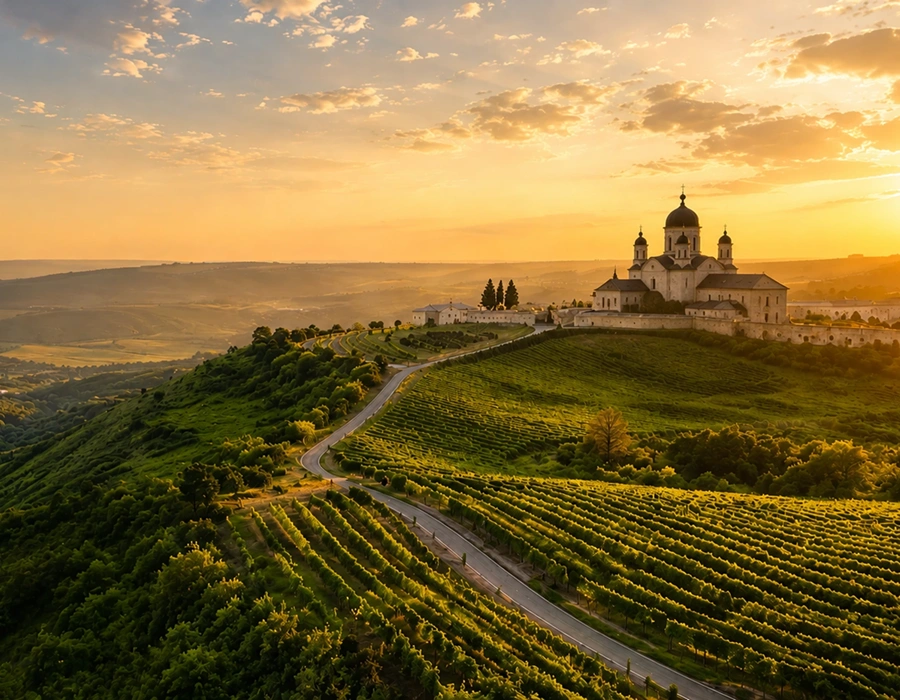
For travelers looking beyond Europe’s heavily commercialized destinations, Moldova offers something increasingly rare — a country where tourism still feels secondary to everyday life rather than carefully built around international visitors. Instead of crowded attractions and polished tourist infrastructure, visitors find vineyard landscapes, Orthodox monasteries, family-run wineries, local markets and a slower pace that feels remarkably untouched by mass tourism.
Most first-time visitors discover that Moldova works best as a three to five day destination centered around Chișinău, wine tourism, countryside monasteries, traditional Moldovan food and carefully selected cultural day trips that reveal an entirely different side of Eastern Europe than many expect.
Unlike destinations driven by famous landmarks or mass tourism infrastructure, the appeal here comes from authenticity itself — long lunches overlooking vineyards, Soviet history still visible in everyday architecture, quiet villages preserving traditions for generations and the unusual feeling of discovering a European destination before the rest of the world fully catches on.
Why Moldova Feels Different From the Rest of Europe
The first thing many travelers notice after arriving in Moldova is that the country feels fundamentally different from the Europe most international visitors have become accustomed to. There are no large tour groups moving between famous landmarks, very few streets built entirely around tourism and almost none of the polished visitor infrastructure now common across much of Western and Southern Europe.
Instead, daily life continues largely without adapting itself for foreign visitors. Markets exist for locals rather than tourists. Restaurants focus primarily on Moldovan dining culture rather than international expectations. Outside the capital, villages remain deeply connected to agricultural traditions that still define large parts of everyday life throughout the country.
For many travelers, this becomes Moldova’s greatest strength. Rather than visiting a destination carefully packaged for tourism, visitors experience a version of Europe that still feels natural, slower and remarkably unaffected by the commercial tourism systems dominating so much of the continent today.
Moldova appeals less through famous attractions and more through authenticity itself. Visitors rarely come here to tick landmarks off a list. They come to experience a quieter, less commercialized side of Europe that still feels remarkably genuine.
What First-Time Visitors Notice Immediately
Outside Eastern Europe, Moldova remains one of the least understood countries on the continent. Many visitors arrive carrying almost no expectations at all, often knowing little beyond the country’s reputation for wine production or its location between Romania and Ukraine.
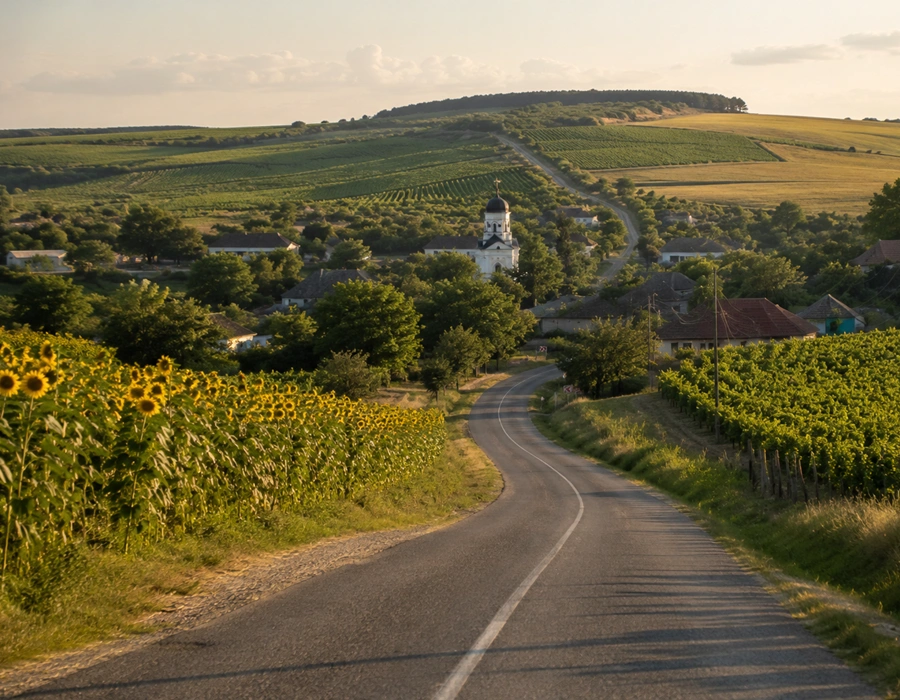
The reality usually feels very different. Chișinău surprises many first-time visitors with its wide boulevards, unusually green parks and far calmer atmosphere than most European capitals. Beyond the city itself, the landscape quickly transforms into rolling vineyards, sunflower fields, forest-covered hills and villages where traditions continue in ways that feel increasingly rare elsewhere in Europe.
Perhaps most noticeable is the local attitude toward foreign visitors. Because international tourism remains relatively limited, many Moldovans still react with genuine curiosity when foreigners choose to visit. Conversations often feel spontaneous, hospitality feels natural rather than transactional and visitors regularly experience a level of warmth that has gradually disappeared in more heavily visited destinations across Europe.
Why More Travelers Are Quietly Beginning to Discover Moldova
Moldova rarely attracts travelers searching for conventional European city breaks. People do not usually arrive expecting famous architecture, luxury tourism or world-recognized landmarks. The reasons people increasingly choose Moldova are often far more specific and, for many modern travelers, increasingly more appealing.
The country has quietly developed a growing reputation among travelers interested in wine tourism, partly because Moldova possesses one of Europe’s oldest winemaking traditions. Massive underground wine cellar systems at Cricova and Mileștii Mici have become internationally recognized attractions, while boutique wineries across the countryside increasingly attract visitors searching for vineyard experiences that feel far more intimate than larger wine regions elsewhere in Europe.
Beyond wine, the country offers something harder to replicate. Orthodox monasteries remain active religious communities rather than heavily commercialized attractions. Rural guesthouses still revolve around local families rather than large hospitality chains. Restaurants increasingly combine traditional Moldovan recipes with modern presentation while preserving ingredients and cooking traditions that remain deeply tied to local agricultural culture.
For travelers increasingly exhausted by overcrowded tourism, Moldova offers a rare opportunity to experience Europe before commercialization fully reshapes the experience.
| Destination | Best Known For | Tourism Density | Overall Experience |
|---|---|---|---|
| Moldova | Wine, authenticity, local culture | Very Low | Undiscovered and highly authentic |
| Romania | Castles, Transylvania, cities | Moderate | More developed tourism infrastructure |
| Georgia | Wine tourism, mountains, cuisine | Growing Fast | Strong but increasingly popular |
| Bulgaria | Coastline, resorts, history | High Seasonal | Traditional mainstream tourism |
Who Moldova Is Actually Perfect For
- Travelers looking for authentic non-commercial European destinations
- Wine enthusiasts interested in unique vineyard experiences
- Visitors who prefer slower travel rather than packed itineraries
- Cultural travelers interested in Orthodox monasteries and Soviet history
- Couples searching for affordable European short breaks
- Road trip travelers exploring Eastern Europe beyond mainstream routes
- Visitors who enjoy destinations before mass tourism develops
Choosing The Best Season To Visit Moldova
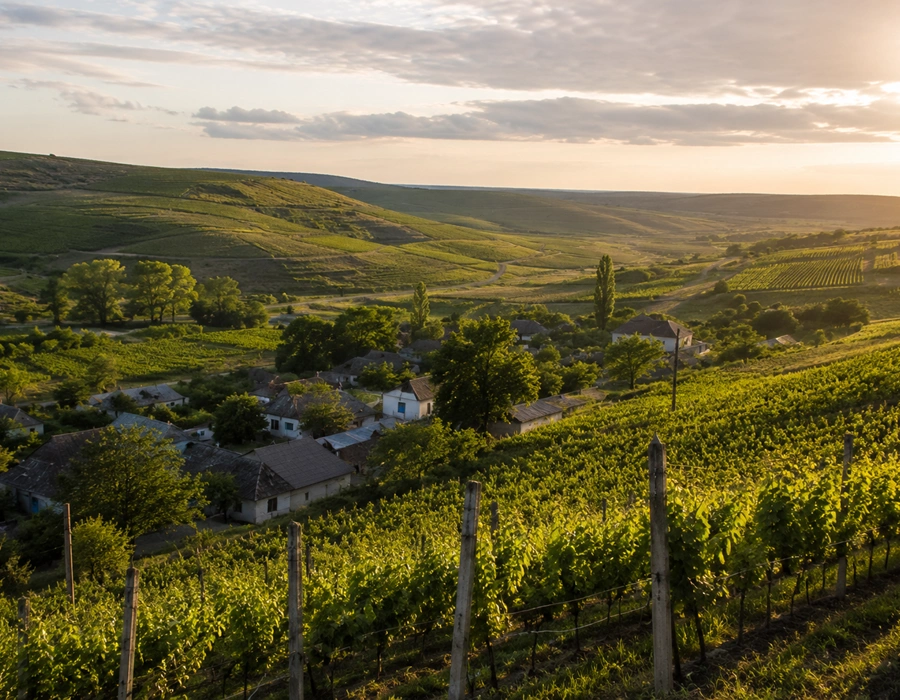
Unlike Mediterranean destinations built around predictable summer tourism, Moldova changes significantly depending on the season visitors choose. The country’s strongest travel periods are usually late spring and early autumn, when temperatures remain comfortable, vineyards are active and countryside travel becomes considerably more enjoyable than during peak summer heat.
May and June often provide the most balanced overall experience. Temperatures remain pleasant, vineyards begin turning intensely green and city exploration feels comfortable without the intense summer heat that often dominates July and August. This period also works exceptionally well for travelers planning monastery visits, countryside road trips and longer winery excursions.
Autumn, particularly September and October, offers an entirely different atmosphere. Vineyards begin harvest season, wineries become far more active and the countryside shifts into golden agricultural landscapes that many travelers find to be the most visually rewarding period of the year.
Winter remains possible but creates a very different experience. While Chișinău works reasonably well for short city visits, rural tourism becomes far quieter and many outdoor destinations lose much of what makes them memorable during warmer months.
For most international visitors, late spring and early autumn consistently provide the strongest Moldova travel experience. September is particularly attractive for travelers prioritizing wine tourism.
| Season | Best Experience | Travel Conditions | Overall Recommendation |
|---|---|---|---|
| Spring | Countryside, monasteries, city breaks | Excellent | Highly Recommended |
| Summer | Restaurants, nightlife, urban travel | Hot but manageable | Good Option |
| Autumn | Wine tourism and vineyards | Excellent | Best Overall Season |
| Winter | Short city visits | Limited outside cities | Situational |
Why Wine Tourism Defines Modern Moldova Travel
If there is one reason Moldova increasingly appears on international travel radar, it is wine. While many travelers still associate European wine tourism almost exclusively with France, Italy or Spain, Moldova quietly preserves one of the continent’s oldest winemaking traditions, dating back thousands of years across fertile agricultural regions that continue defining the country’s identity today.
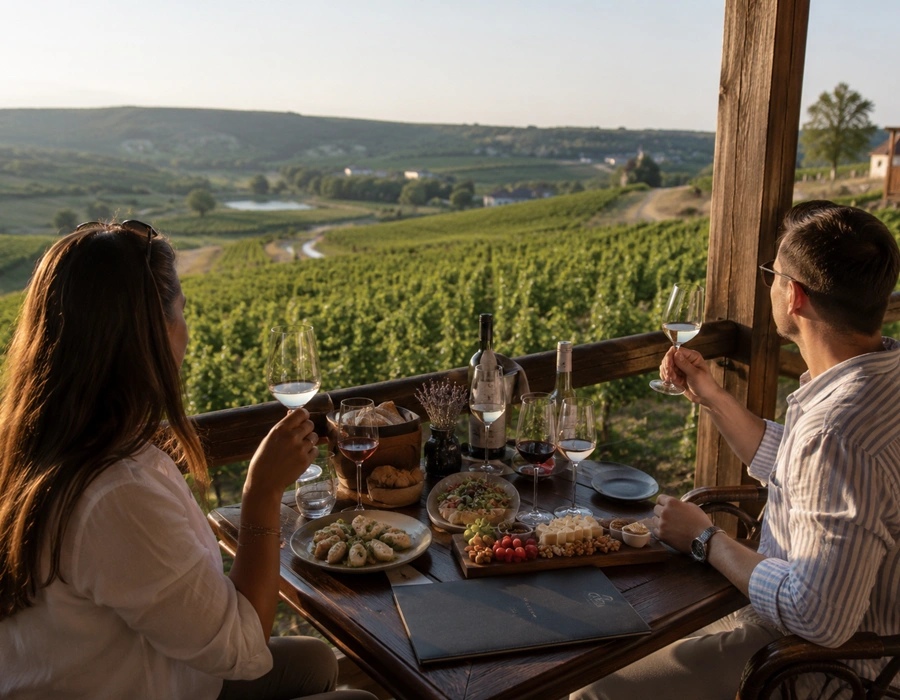
Unlike famous wine destinations where tourism has become heavily commercialized, winery experiences here often feel considerably more personal. Tastings move slower, cellar tours feel intimate and many vineyard visits still operate around family traditions rather than mass tourism infrastructure designed primarily for large international groups.
The country’s two most internationally recognized wine attractions remain Cricova and Mileștii Mici — enormous underground cellar systems that stretch for hundreds of kilometers beneath limestone tunnels originally excavated centuries ago. Few first-time visitors expect wine cellars on this scale, which partly explains why these experiences consistently become one of the strongest highlights of nearly every Moldova itinerary.
Beyond these large names, smaller boutique producers such as Purcari, Castel Mimi, Asconi and Et Cetera increasingly attract travelers looking for more premium vineyard experiences built around longer lunches, countryside scenery and boutique accommodation.
Why Moldovans View Wine Very Differently
Wine in Moldova is not treated as luxury consumption in the same way visitors often experience in Western Europe. For generations, wine production has remained deeply tied to everyday family life. Across rural Moldova, homemade wine production remains incredibly common and many families continue producing their own wine using traditions passed down through several generations.
This cultural relationship changes how visitors experience wine tourism here. Tastings often feel less formal, conversations become more personal and many wineries place far stronger emphasis on storytelling, local agricultural history and family tradition rather than simply presenting wine as a luxury product.
Understanding this cultural relationship helps explain why wine tourism has become the country’s strongest tourism asset. Visitors are not simply drinking wine — they are experiencing something deeply connected to Moldovan identity itself.
Understanding Moldovan Food Culture
Food remains one of the most underestimated parts of traveling through Moldova. International visitors often arrive with almost no expectations regarding local cuisine, only to discover a culinary culture shaped by Romanian traditions, Slavic influence, Ottoman history and generations of agricultural self-sufficiency that continue defining local cooking today.
Traditional Moldovan meals remain remarkably honest and ingredient-driven. Instead of highly processed modern cuisine, many dishes still revolve around locally produced vegetables, homemade cheeses, fresh herbs, slow-cooked meats and bread traditions deeply tied to village culture throughout the country.
Dishes such as plăcinte, mămăligă, sarmale and zeamă remain staples across much of the country, but increasingly Chișinău’s restaurant scene has begun modernizing these traditional recipes into contemporary dining experiences that surprise many international visitors who expect a far simpler culinary landscape.
Food Experiences Visitors Should Prioritize
- Traditional Moldovan breakfast with local cheeses and homemade bread
- Plăcinte served fresh at local bakeries
- Wine pairing dinners inside countryside wineries
- Traditional village meals during rural guesthouse stays
- Modern Moldovan restaurants inside central Chișinău
- Local farmers markets for regional produce and cheeses
- Seasonal fruit markets during summer harvest season
Getting Around Moldova Efficiently
One of the biggest mistakes first-time visitors make is underestimating how differently transport functions here compared to most of Europe. Moldova remains a relatively small country geographically, but infrastructure outside major urban areas often moves at a slower pace than international travelers initially expect.
Inside Chișinău, moving around is simple. Taxi applications such as Yandex Go and local transport apps remain the easiest option for most visitors, while central districts are easily walkable once travelers begin exploring the city itself. Compared to many European capitals, transportation costs remain remarkably affordable.
Outside the capital, the situation changes quickly. Public minibuses connect much of the country but schedules often feel confusing for foreign visitors unfamiliar with local systems. For travelers planning winery visits, monastery routes or countryside exploration, private drivers and rental cars usually create a far smoother experience.
The positive side is distance itself. Because Moldova remains compact, day trips from Chișinău allow visitors to experience a surprisingly large part of the country without constant hotel changes or complicated transport planning.
For most first-time visitors, staying in Chișinău and organizing day trips outward creates the most efficient itinerary. The country is small enough that changing hotels frequently rarely improves the overall experience.
How Many Days You Realistically Need
Moldova works best when travelers avoid treating it as a destination that needs to be rushed. While the country appears small on a map, much of its appeal comes from slower experiences — winery lunches that stretch into late afternoon, countryside drives without strict schedules and destinations that reward spending more time rather than checking places off quickly.
Three days usually works well for travelers wanting a short introduction. This allows enough time to explore Chișinău, visit one major winery and experience a single countryside destination such as Orheiul Vechi or one of the country’s historic monasteries.
Five days creates a far better balance. Visitors gain enough time to experience multiple winery regions, explore smaller destinations outside the capital, spend longer enjoying Moldova’s restaurant scene and experience the slower rhythm that often becomes one of the country’s strongest surprises.
| Trip Length | Best For | Recommended Experience |
|---|---|---|
| 2 Days | Short city break | Chișinău and one winery |
| 3 Days | First introduction | City, winery, countryside day trip |
| 5 Days | Ideal first visit | Balanced Moldova experience |
| 7 Days | Slow travel | Deep exploration across regions |
Mistakes First-Time Visitors Often Make
Moldova rewards travelers who approach the country differently than traditional European destinations. Many first-time visitors unintentionally create weaker itineraries simply because they plan the country using expectations built around destinations that function very differently.
Common Moldova Travel Mistakes
- Trying to visit multiple wineries in a single day instead of enjoying longer experiences
- Treating Chișinău only as a transit city instead of exploring the capital properly
- Ignoring countryside destinations beyond the capital region
- Underestimating how much local food culture adds to the experience
- Using random street taxis instead of established taxi applications
- Planning overly aggressive itineraries across southern Moldova
- Skipping monastery visits despite their importance to local culture
- Assuming Moldova resembles neighboring Romania or Ukraine culturally
Should You Visit Transnistria?
Transnistria remains one of the most unusual political and cultural destinations in Europe. Functioning as a self-declared breakaway region, it offers visitors an atmosphere unlike anywhere else on the continent, with Soviet symbols, architecture and political realities that feel almost frozen in another era.
For some travelers, this becomes one of Moldova’s most fascinating excursions. Tiraspol provides an experience difficult to compare with any other European destination, particularly for visitors interested in Soviet history and geopolitical curiosity.
However, first-time visitors with limited time often benefit more from prioritizing Moldova itself first. Chișinău, winery tourism, countryside monasteries and rural culture usually create a stronger introduction to the country before exploring Transnistria as a secondary experience during future visits.
What Visitors Often Misunderstand About Moldova
One common misunderstanding among foreign visitors is assuming Moldova lacks enough to justify dedicated travel. In reality, the country simply rewards a different style of traveler than mainstream European destinations.
Moldova does not rely on famous landmarks or global tourism recognition. The appeal comes through atmosphere, local interaction, slower travel and authenticity that many destinations across Europe have gradually lost over decades of tourism development.
Those who arrive expecting conventional sightseeing sometimes leave underwhelmed. Travelers who arrive curious about culture, wine, food and discovering lesser-known corners of Europe often leave unexpectedly impressed.
Should Moldova Be On Your Europe Itinerary?
For travelers searching for luxury resorts, famous landmarks or highly polished tourism infrastructure, Moldova will likely feel very different from what they expect from a European trip.
For travelers who appreciate authenticity, local culture, world-class wine experiences, uncrowded destinations and countries that still feel genuinely undiscovered, Moldova quietly becomes one of Europe’s most rewarding surprises.
Perhaps the most interesting part of traveling here is not any single attraction. It is the unusual feeling that Europe still contains places where tourism has not yet fully reshaped local life. That experience grows increasingly rare every year, which is exactly why Moldova feels so memorable once visitors finally arrive.