Short Answer for Travelers
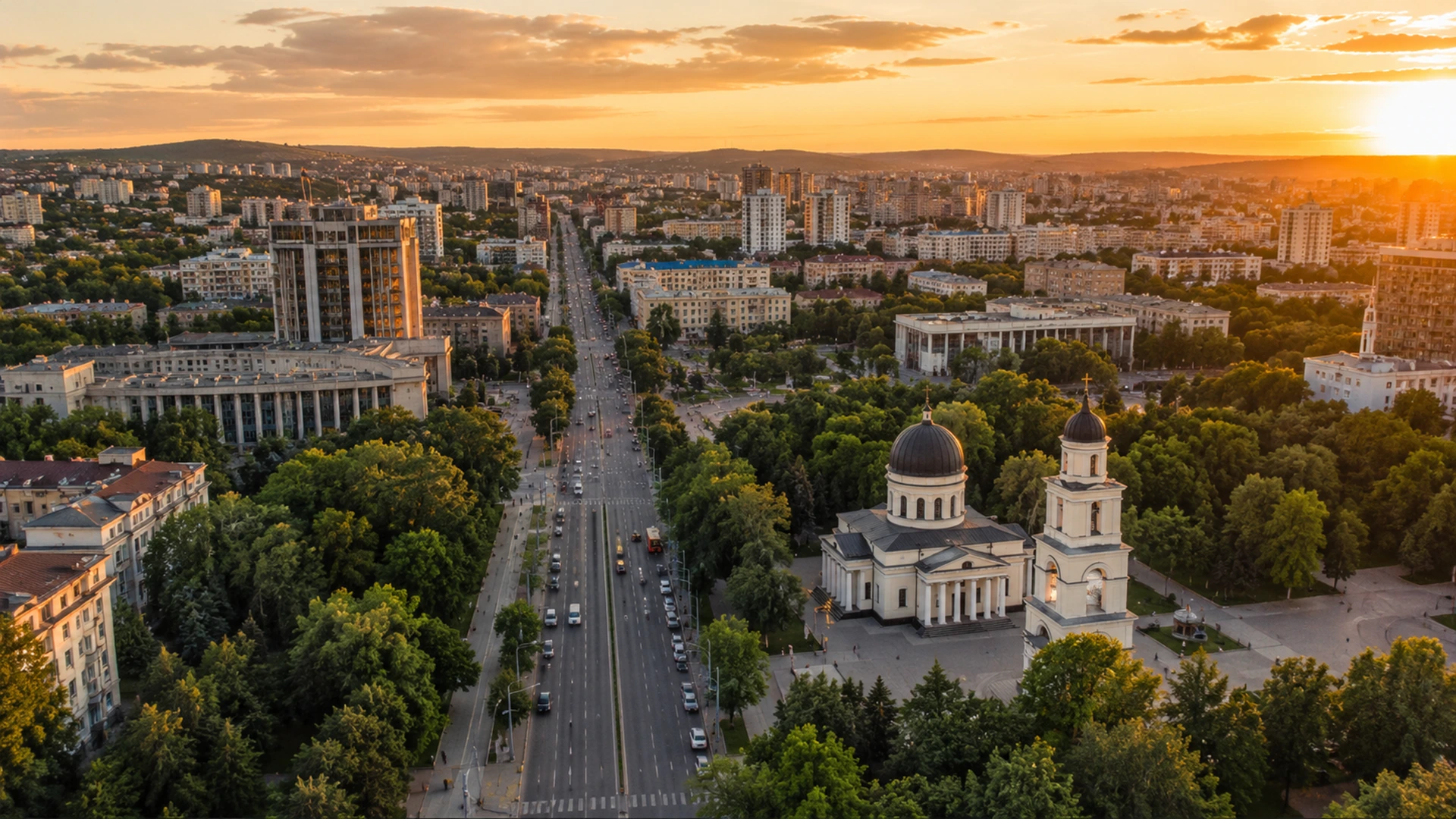
Chișinău is the center of almost every trip to Moldova whether visitors plan to explore wineries, historical landmarks, monasteries or the countryside beyond the capital. It functions as the country’s main transport hub, strongest hotel market and by far the easiest place for first-time travelers to begin understanding Moldova.
What surprises many visitors is not the city itself, but how different the overall atmosphere feels compared with most European capitals. Chișinău is quieter, less commercialized, significantly cheaper and still shaped far more by local life than by tourism.
For anyone visiting Moldova for the first time, spending several days in Chișinău before exploring the rest of the country almost always improves the overall travel experience.
Understanding Chișinău Before You Visit
Most international travelers know very little about Chișinău before arriving. Unlike neighboring capitals that built strong international tourism identities over decades, Moldova’s capital has largely remained outside mainstream European travel routes. This often creates a misleading first impression long before the trip even begins.
Visitors sometimes expect a rough post-Soviet city with limited infrastructure, little cultural depth and few reasons to spend more than a single night before moving elsewhere in the country.
The reality on the ground tends to feel very different.
Chișinău is not a classic sightseeing city built around famous monuments or postcard architecture. Instead, it functions as the country’s economic, cultural and social center, where modern Moldova becomes easiest to understand. The city rewards travelers who slow down and pay attention to how local life actually works rather than chasing traditional tourist attractions.
Wide boulevards cut through districts filled with Soviet-era architecture, Orthodox churches sit between modern office buildings, local markets remain deeply integrated into everyday life and large green parks continue to shape the rhythm of the city itself.
In many ways, Chișinău tells the story of modern Moldova better than anywhere else in the country.
Local Insight
One mistake many first-time visitors make is treating Chișinău purely as a transit city before heading directly toward destinations such as Cricova Winery, Orheiul Vechi or Transnistria.
Locally, the capital is rarely experienced through traditional sightseeing. Residents spend time in parks late into the evening, cafés function as long social gatherings rather than quick stops and restaurant culture plays a far larger role in daily life than many visitors initially realize.
The best way to experience Chișinău is not by rushing through landmarks. Spend time walking central neighborhoods, sit in local wine bars, observe everyday city life and allow the slower pace of Moldova to become part of the overall experience.
Why Chișinău Matters More Than Most Travelers Realize
Many travel guides focus heavily on Moldova’s wineries, monasteries and countryside destinations while giving surprisingly little attention to the capital itself. In practice, this misses one important reality: understanding Chișinău usually makes the rest of Moldova easier to understand.
The capital functions as the country’s central operating point. Nearly every major transport route passes through the city. International arrivals almost always begin here. The country’s strongest restaurants, largest hotel inventory, best nightlife, highest concentration of modern cafés and most practical transport infrastructure all center around Chișinău.
At the same time, the city remains remarkably underdeveloped from a tourism perspective compared with neighboring European capitals. There are no overwhelming tourist crowds, very few neighborhoods built exclusively around foreign visitors and far less commercialization than travelers often encounter elsewhere.
This creates something increasingly difficult to find in Europe: a capital city that still feels built primarily for local life rather than visitor consumption.
| Travel Factor | Chișinău | Bucharest | Sofia |
|---|---|---|---|
| Tourist Density | Very Low | High | Moderate |
| Restaurant Prices | Low | Higher | Higher |
| Commercial Tourism | Minimal | Heavy | Moderate |
| Local Authenticity | Extremely High | Moderate | Moderate |
| Travel Costs | Excellent Value | Higher | Higher |
- Main Travel Hub – Nearly every Moldova itinerary naturally begins here
- Best Hotel Selection – The strongest accommodation options in the country
- Top Restaurant Scene – Moldova’s best concentration of quality dining
- Authentic Urban Experience – Local life remains untouched by mass tourism
- Ideal Base For Exploration – Easy access to wineries, monasteries and historical destinations
Where To Stay in Chișinău
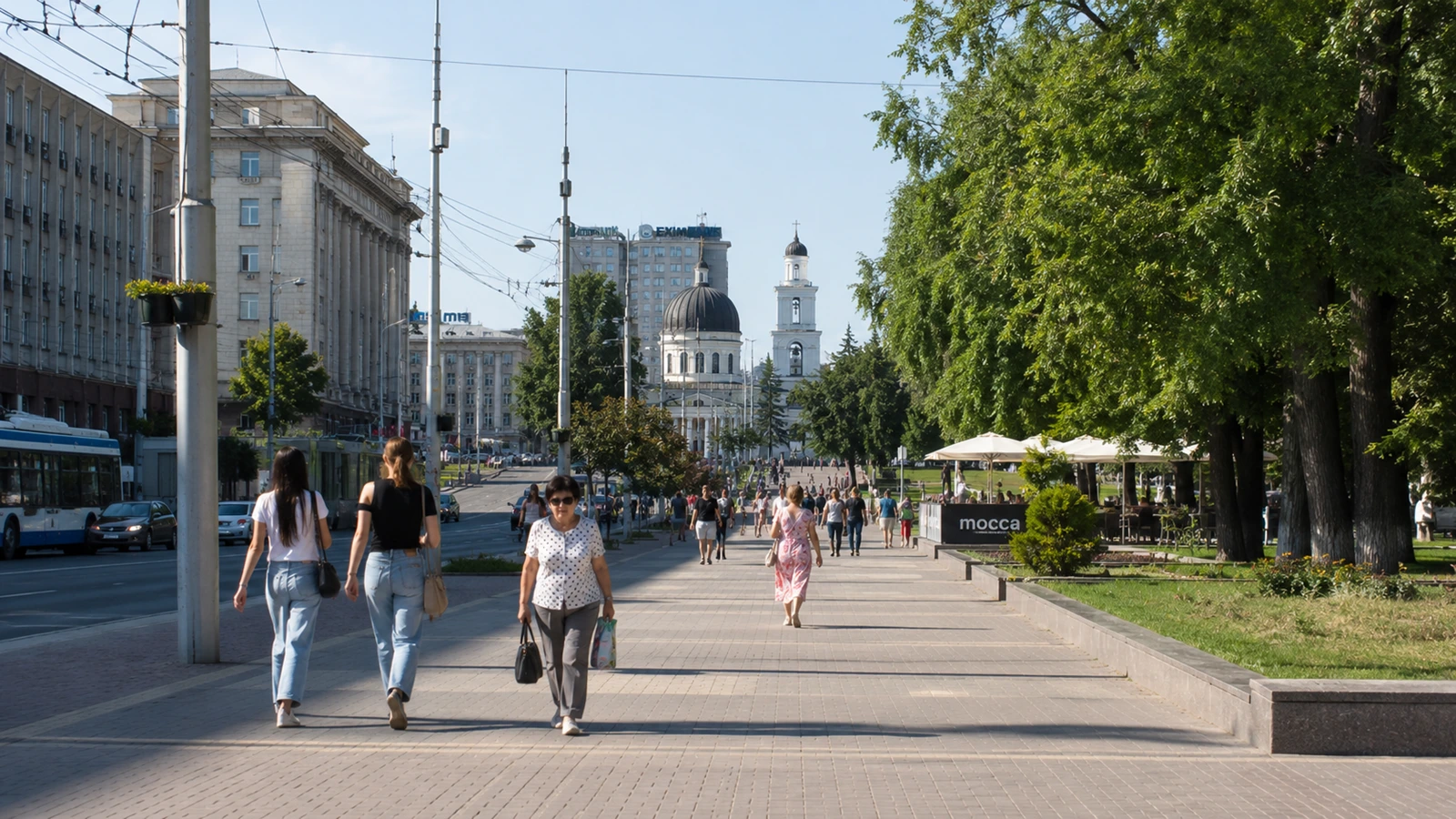
For first-time visitors, staying centrally makes the biggest difference. Most travelers should prioritize accommodation near Stefan cel Mare Boulevard, Cathedral Park or the central districts surrounding the city core.
This part of the city provides the easiest access to restaurants, nightlife, parks, cafés, museums and taxi connections without requiring extensive daily transport planning.
Apartment rentals often provide exceptional value for longer stays, particularly compared with neighboring Romania or other Eastern European capitals. Hotel pricing also remains considerably lower than many visitors expect given the overall quality now available across the city.
Because distances remain relatively manageable, accommodation decisions rarely become critical. However, central locations consistently provide the strongest overall experience for first-time visitors unfamiliar with the country.
```Food Scene in Chișinău
If there is one part of Chișinău that consistently surprises foreign visitors, it is the restaurant scene. Moldova rarely receives much international culinary attention, which causes many travelers to arrive expecting fairly basic dining options. In practice, Chișinău has quietly developed one of the strongest food scenes anywhere in the region relative to the city’s size.
Over the past decade, a new generation of restaurants has transformed the capital. Traditional Moldovan cooking remains important, but the city now combines local cuisine with modern European gastronomy, contemporary wine-focused dining, premium steak houses, creative chef-driven concepts and an increasingly sophisticated hospitality sector.
One reason the restaurant scene stands out is value. Visitors coming from Western Europe often notice immediately how far restaurant budgets stretch compared with cities offering similar quality elsewhere on the continent. Fine dining remains accessible, service standards have improved significantly and overall quality frequently exceeds expectations.
For travelers wanting to understand Moldovan culture beyond sightseeing, restaurants in Chișinău often provide one of the clearest introductions to how modern Moldova has evolved during the last decade.
Traditional dishes remain highly visible across the city. Placinte, mamaliga, slow-cooked meat dishes, local cheeses, preserved vegetables and seasonal produce continue to define much of the local food identity, although presentation and restaurant concepts increasingly reflect modern European influences.
Café Culture
Modern café culture has become one of the most visible signs of how quickly Chișinău has changed in recent years. Visitors walking through the city center quickly notice something unexpected: independent cafés are everywhere.
Unlike larger European capitals dominated by international coffee chains, much of Chișinău’s café scene remains local. Independent operators continue to shape the market, creating far more personality than visitors often encounter in heavily commercialized tourism destinations.
Cafés in Moldova serve a different social function compared with many Western countries. They are rarely places people visit briefly. Instead, long conversations, business meetings and slow afternoon gatherings remain deeply integrated into daily city life.
This becomes particularly noticeable during evenings when cafés across central districts remain full long after working hours. For visitors trying to understand everyday urban Moldova, sitting in local cafés often reveals more about the country than formal sightseeing ever will.
The growing remote work culture has also strengthened this sector. Reliable internet, comfortable interiors and increasingly professional service standards now make Chișinău surprisingly practical for travelers combining work with longer stays in the region.
Nightlife in Chișinău
Chișinău rarely appears on international lists of nightlife destinations, but this often creates a false impression that evening life in the city is limited. In reality, nightlife exists, although it feels very different compared with destinations built heavily around tourism.
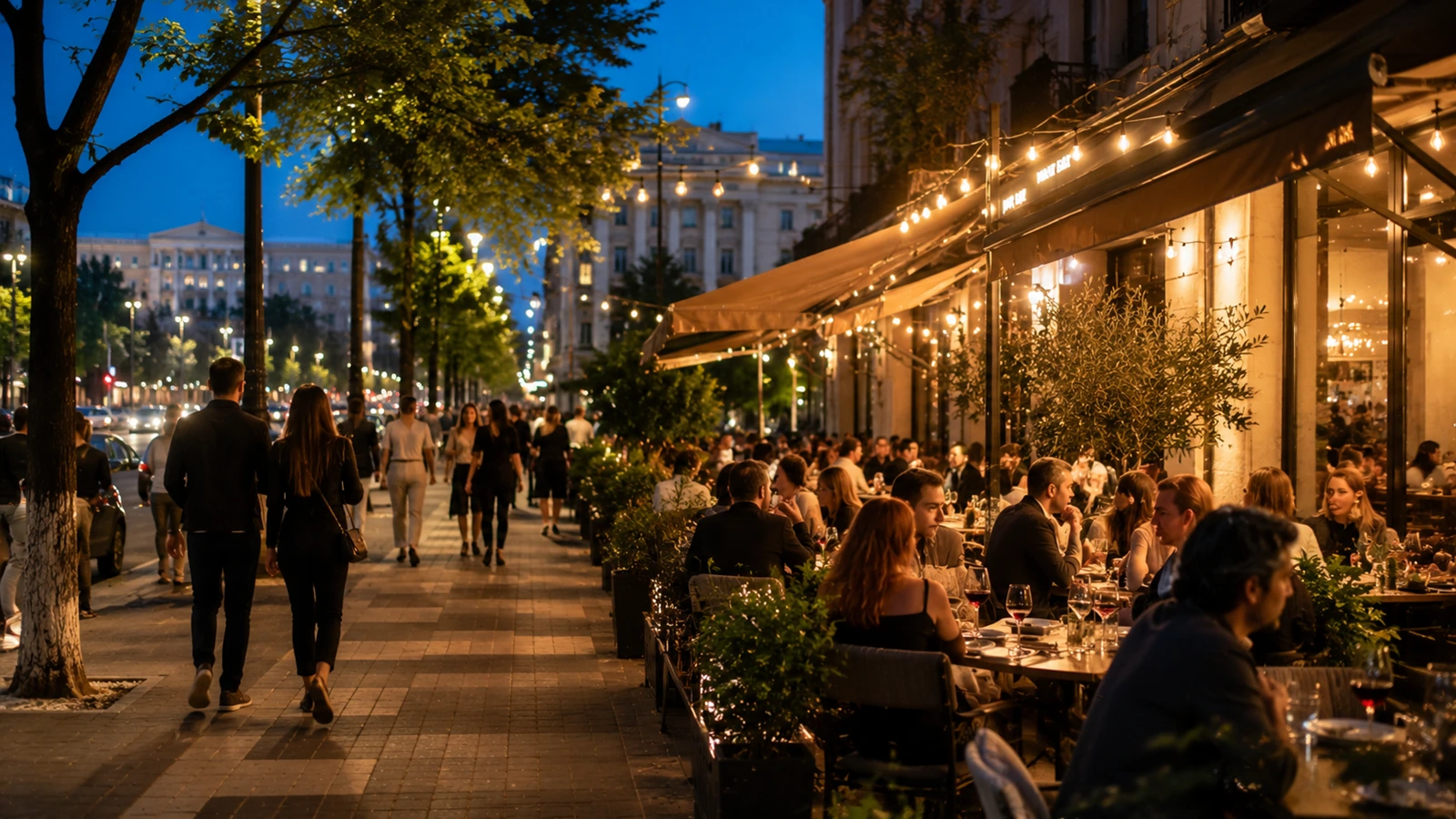
The strongest evening experiences rarely revolve around large clubs. Instead, the city performs best through wine bars, cocktail lounges, rooftop terraces, late-night restaurants and modern social spaces spread throughout central districts.
Wine naturally plays a major role. Moldova’s wine industry is deeply tied to local identity and evenings in Chișinău often revolve around discovering local producers rather than traditional bar culture. For many visitors, this becomes one of the most memorable parts of spending time in the capital.
Club culture certainly exists, particularly during weekends, but the overall atmosphere remains far more local than in nearby capitals such as Bucharest or Warsaw. Visitors expecting large international party districts usually misunderstand what Chișinău does best after dark.
The city is strongest when approached as a destination for long evenings built around food, conversation and wine rather than high-energy nightlife tourism.
Visitors with limited time should prioritize restaurants and wine bars over traditional nightlife. Moldova’s wine culture remains one of the strongest parts of the overall Chișinău experience and often leaves a far deeper impression than clubs or late-night entertainment.
Best Things To Do in Chișinău
Travelers sometimes make the mistake of approaching Chișinău as a destination built around traditional sightseeing attractions. Unlike capitals where visitors move quickly between famous monuments, Moldova’s capital rewards slower exploration and a more flexible itinerary.
The strongest experiences often come from combining several smaller parts of the city rather than focusing on one specific landmark. Walking, observing daily life and allowing time for spontaneous discovery usually creates a far better overall experience.
- Walk Stefan cel Mare Boulevard – The main artery running through the heart of the capital
- Visit Cathedral Park – One of the city’s central gathering points surrounded by historic landmarks
- Explore Valea Morilor Park – Large lakeside park popular with local residents throughout the week
- Visit Central Market – One of the easiest ways to experience everyday Moldova beyond tourism
- Try Traditional Moldovan Restaurants – Essential for understanding local food culture
- Visit Wine Bars – Experience local producers directly inside the capital
- Explore Soviet Architecture – A defining visual part of the city identity
- Visit Museums – Useful for understanding Moldova’s complex historical background
Visitors who rush through Chișinău in a single afternoon often leave with an incomplete impression. The city reveals itself gradually, and much of its appeal comes from atmosphere rather than obvious attractions.
How Many Days Should You Stay in Chișinău?
For most travelers, two full days should be considered the minimum. This allows enough time to understand the city itself while experiencing restaurants, cafés, parks and the slower rhythm that defines much of daily life in Moldova.
Three days generally works better. A slightly longer stay allows visitors to explore more casually while adding nightlife, museums and local neighborhoods without compressing everything into a rushed schedule.
Longer stays become increasingly practical for travelers using Chișinău as their base while exploring the rest of Moldova. Because so many major destinations remain accessible as day trips, there is often little reason to change accommodation repeatedly throughout the trip.
Unlike larger European capitals where sightseeing pressure can become exhausting, Chișinău is a city best experienced slowly. The more time visitors allow themselves here, the more the city tends to make sense.
```Getting Around Chișinău
Compared with larger European capitals, moving around Chișinău is remarkably uncomplicated. Distances inside the central districts remain manageable, traffic congestion is relatively limited outside peak hours and transportation costs stay low enough that most visitors rarely need to think much about logistics.
For most travelers, taxi applications are the easiest option. Prices remain inexpensive by international standards and the city’s compact layout means journeys between central districts rarely take long. For shorter distances, walking often works just as well and allows visitors to understand the city far better than simply moving between destinations by car.
Public transportation forms an important part of daily local life. Trolleybuses, minibuses and municipal buses cover most areas of the city and remain extremely affordable, although route systems can initially feel confusing for first-time visitors unfamiliar with local transport patterns.
Private transfers are widely available for airport pickups, winery visits and regional travel throughout Moldova, making Chișinău an extremely practical base for broader itinerary planning.
Best Day Trips From Chișinău
One of the biggest advantages of staying in Chișinău is geography. Moldova remains a relatively compact country and the capital sits in a position that allows visitors to reach many of the country’s most important destinations without constantly changing hotels or reorganizing their itinerary.
This is one reason experienced travelers often keep Chișinău as their operational base for most of the trip rather than moving between multiple locations.
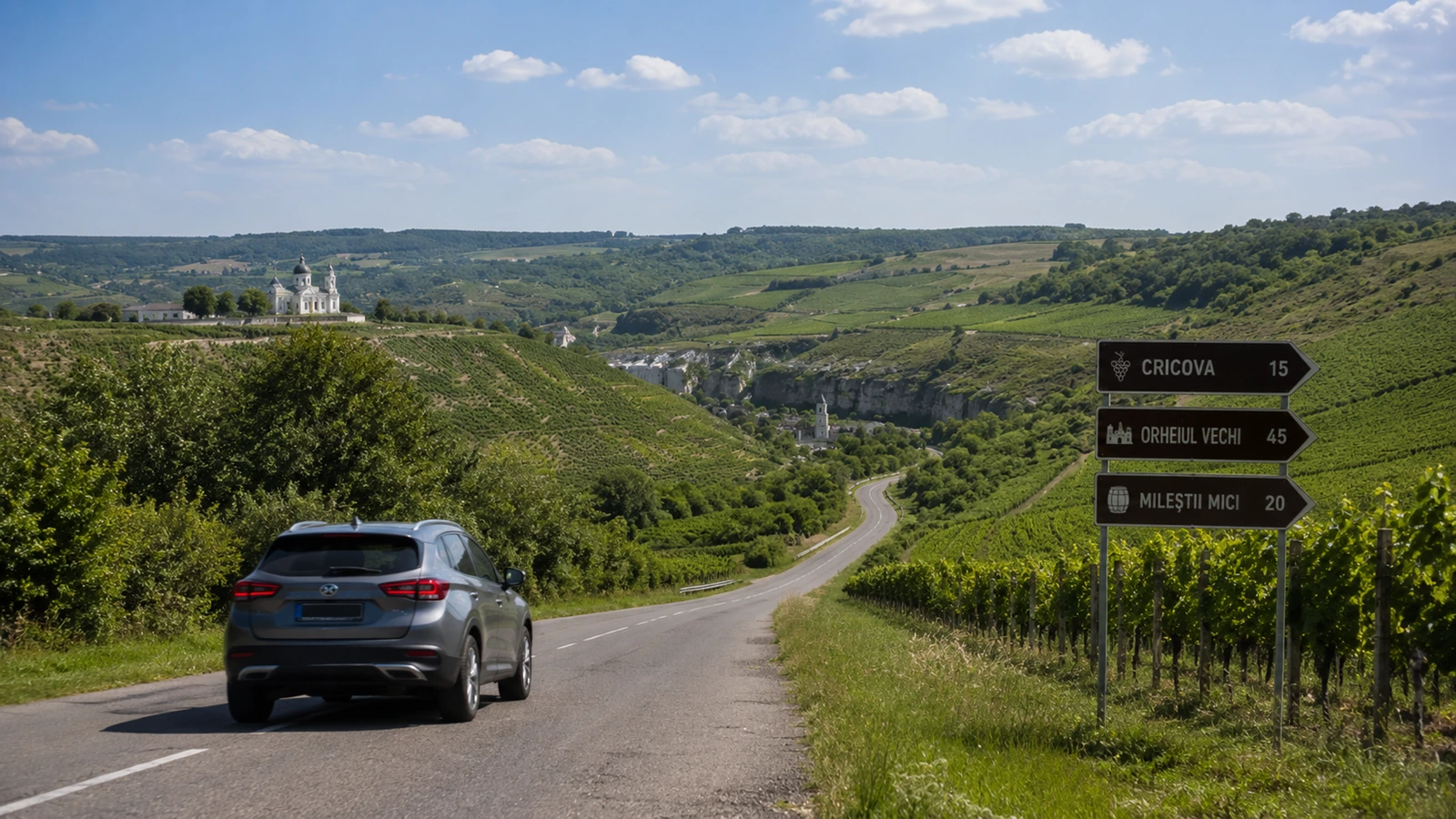
- Cricova Winery – Famous underground wine cellars located minutes outside the capital
- Mileștii Mici – Home to one of the world’s largest underground wine collections
- Orheiul Vechi – Moldova’s best known archaeological and historical destination
- Curchi Monastery – One of the country’s most impressive Orthodox religious complexes
- Purcari Winery – Premium winery destination in southern Moldova
- Transnistria – The unusual Soviet-era breakaway region centered around Tiraspol
Because travel distances remain relatively short, visitors can experience an unusually wide variety of destinations while returning to the capital each evening.
Is Chișinău Safe for Tourists?
For international visitors, Chișinău generally feels very safe. Serious incidents affecting tourists remain uncommon and most travelers experience few problems throughout their stay.
Compared with larger cities elsewhere in Europe, the capital often feels calmer and noticeably less chaotic. Central districts remain comfortable to walk during daytime and evening restaurant areas usually remain active well into the night without creating major security concerns.
The few problems visitors occasionally encounter tend to be minor rather than serious. Unofficial taxis sometimes overcharge, public transport can occasionally feel crowded and standard travel precautions should always apply when carrying valuables in busy areas.
Outside of these small considerations, Moldova’s capital consistently feels safer than many first-time visitors expect before arrival.
For most travelers, safety concerns in Chișinău are minimal. Using standard travel awareness, relying on taxi apps instead of street taxis and staying within central districts at night removes most situations where visitors occasionally encounter problems.
Digital Nomad Potential
Although rarely mentioned in international remote work discussions, Chișinău has quietly become an interesting option for travelers seeking affordable long-term European stays outside the usual digital nomad hubs.
Monthly living costs remain significantly below neighboring countries, apartment rentals remain inexpensive, internet infrastructure performs reliably and the city’s growing café culture increasingly supports remote working lifestyles.
What makes Chișinău particularly interesting is authenticity. Unlike destinations where international nomad communities have already transformed local neighborhoods, Moldova’s capital still offers a far more genuine local experience for travelers who prefer immersion rather than established expat environments.
Common Tourist Mistakes
Visitors new to Moldova often make several predictable mistakes that reduce the overall experience unnecessarily.
- Leaving Too Quickly – Many visitors spend only one night before rushing elsewhere
- Ignoring The Food Scene – Restaurants in Chișinău are far stronger than most expect
- Skipping Local Wine Bars – Wine culture remains central to understanding modern Moldova
- Treating The City As Transit Only – The capital deserves dedicated time on its own
- Underestimating Moldova – Expectations are often far lower than the actual experience
Continue planning your Moldova itinerary with our complete guides to Moldova Travel Guide, Orheiul Vechi, Cricova Winery and discover the destinations that make Moldova one of Europe’s most underrated travel countries.
Final Verdict
Chișinău rarely creates strong expectations before arrival. Unlike better known capitals across Eastern Europe, the city has never positioned itself aggressively toward international tourism and remains absent from most mainstream travel planning.
This is precisely what makes the experience interesting.
The capital still feels genuine. Restaurants primarily serve local residents rather than tourists. City parks remain deeply integrated into everyday life. Prices stay accessible, tourism infrastructure remains understated and visitors encounter a version of Eastern Europe that has not been reshaped around visitor expectations.
More importantly, Chișinău provides the clearest introduction to understanding modern Moldova itself. The country’s food culture, wine industry, post-Soviet identity, pace of life and everyday local culture become far easier to understand after spending time in the capital before exploring the rest of the country.
For travelers wanting to understand Moldova beyond the obvious destinations, few places offer a better starting point than Chișinău.
```